

Palma de Mallorca
Palma was founded as a Roman camp upon the remains of a Talaiotic settlement. The city was subjected to several Vandal raids during the fall of the Western Roman Empire, then reconquered by the Bizantine Empire, then colonised by the Moors (who called it Medina Mayurqa) and, in the 13th century, by James I of Aragon.
Caves of Hams
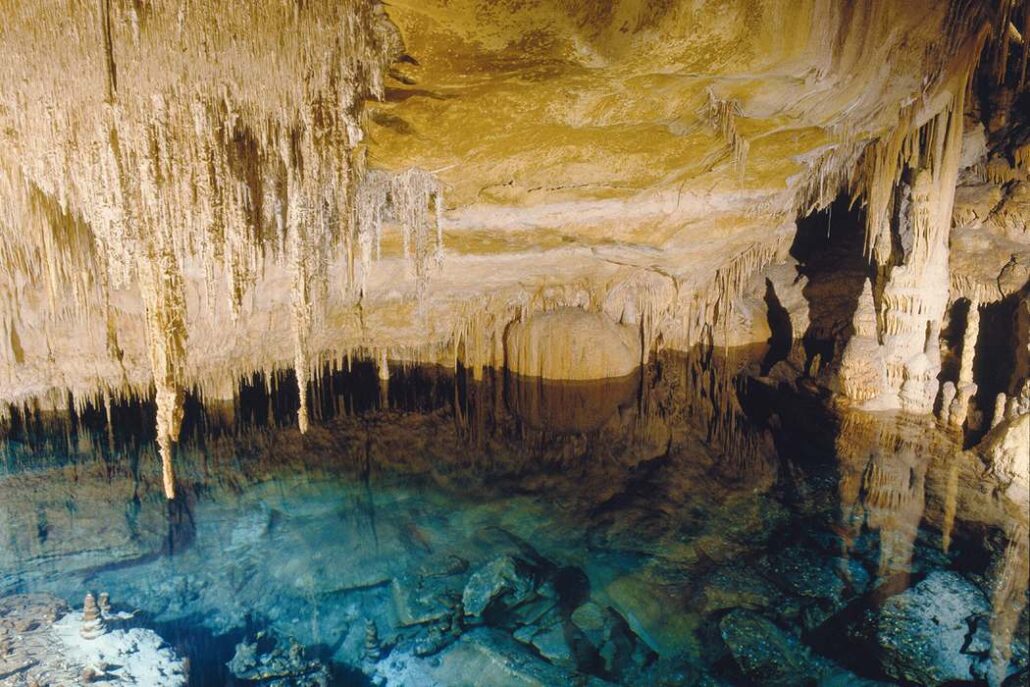
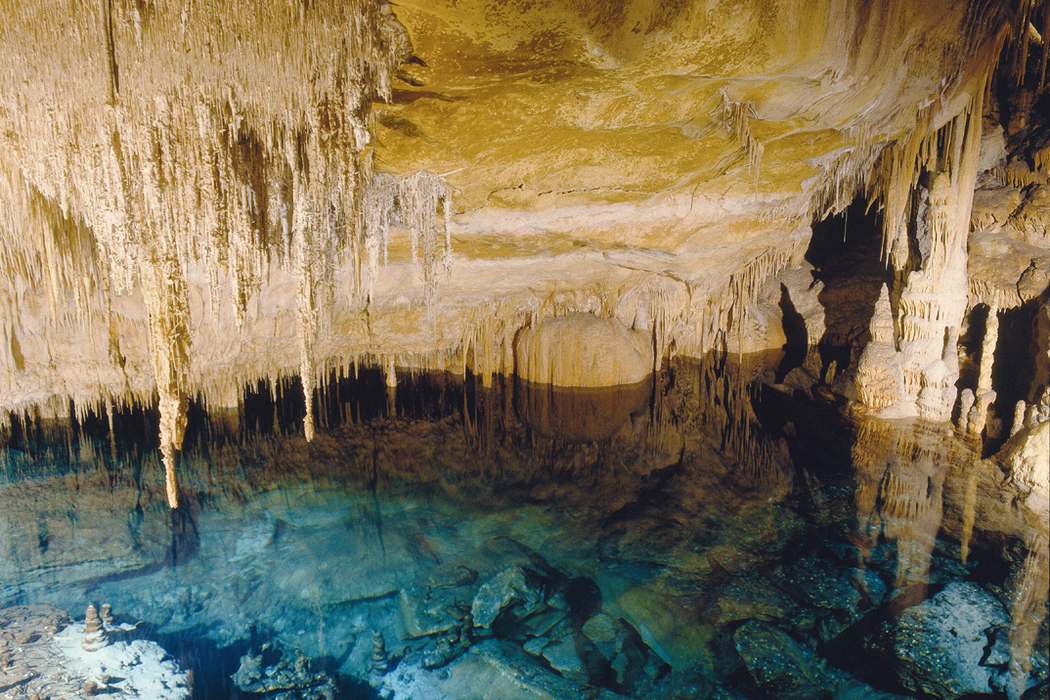
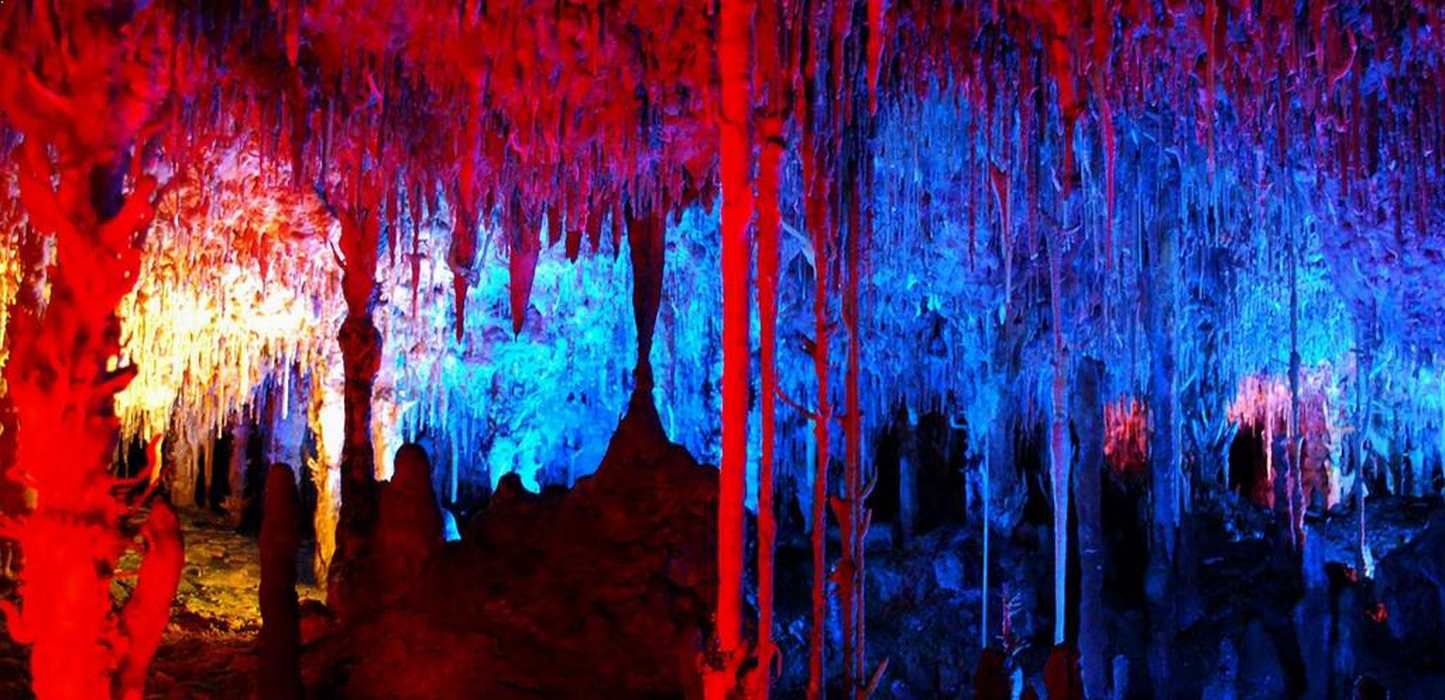
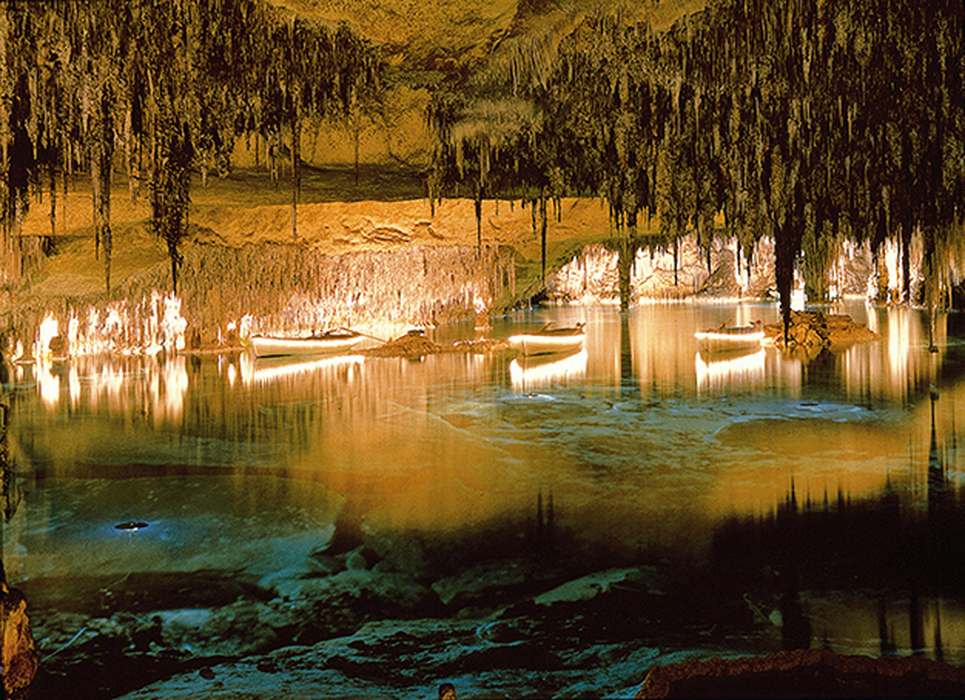
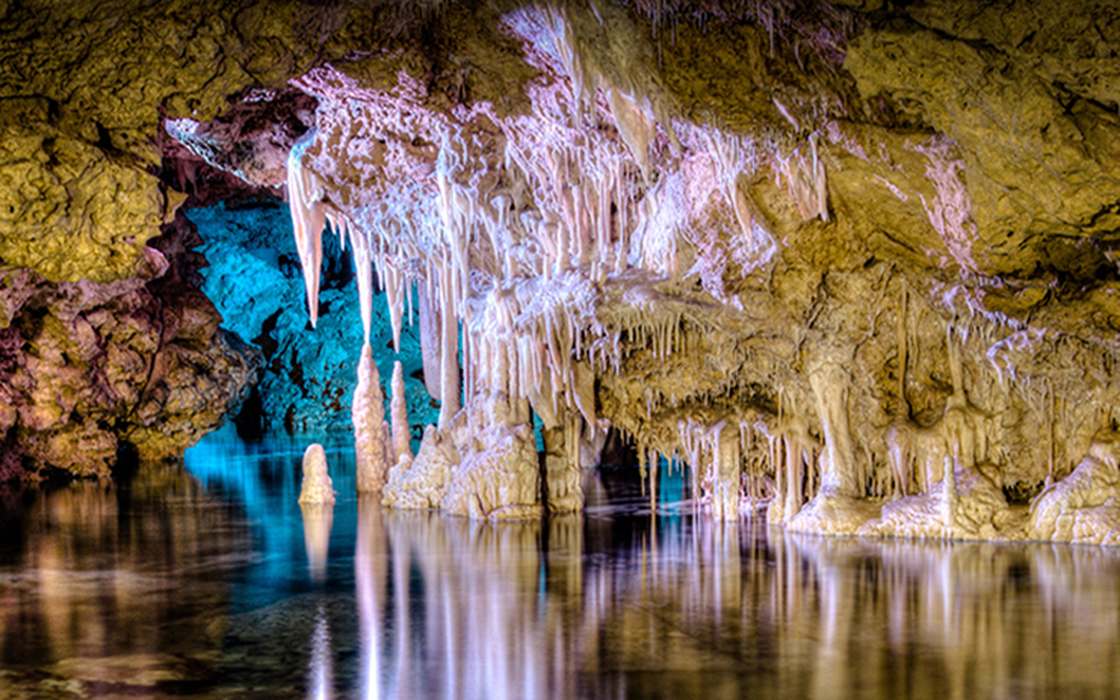
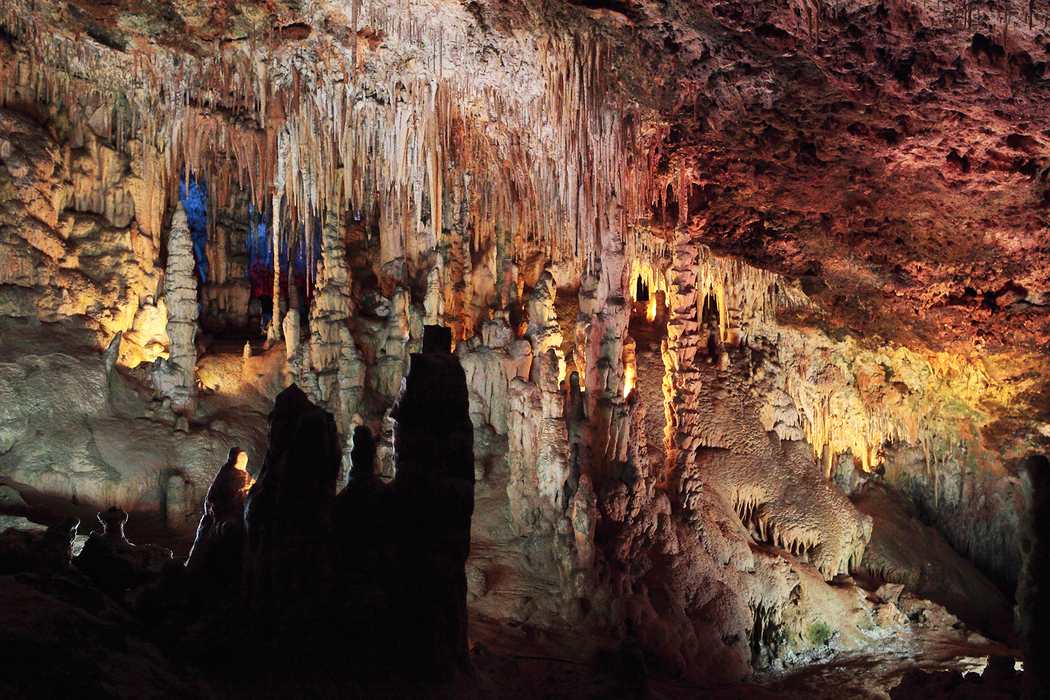
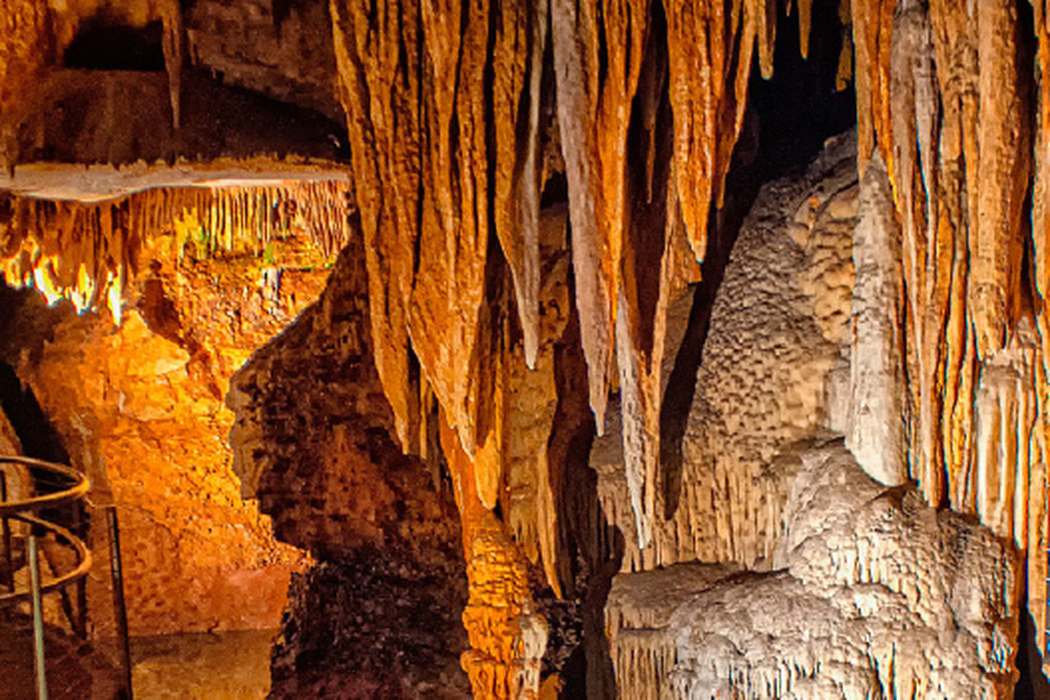
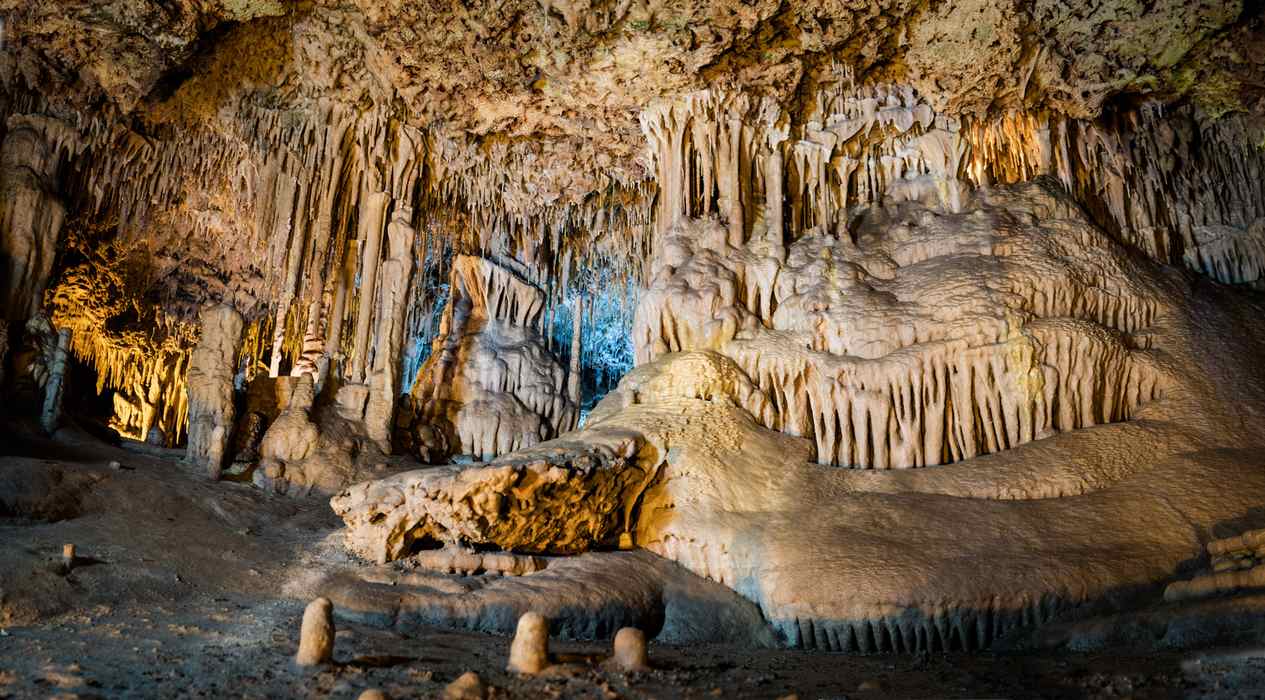
The caves were discovered on 2 March 1905 by Pedro Caldentey. The caves lie along the route between the regional capital of Manacor and the coastal town of Porto Cristo. Like Coves dels Drachs, the Coves Dels Hams hold an underground lake, which is known as “The Sea of Venice”. The caves get their name from the unique formations of the stalactites and stalegmites. Hams is the Mallorquí (local dialect of Catalan) word for fishhooks or harpoons. Scientists have yet to explain the cause of these unique formations.
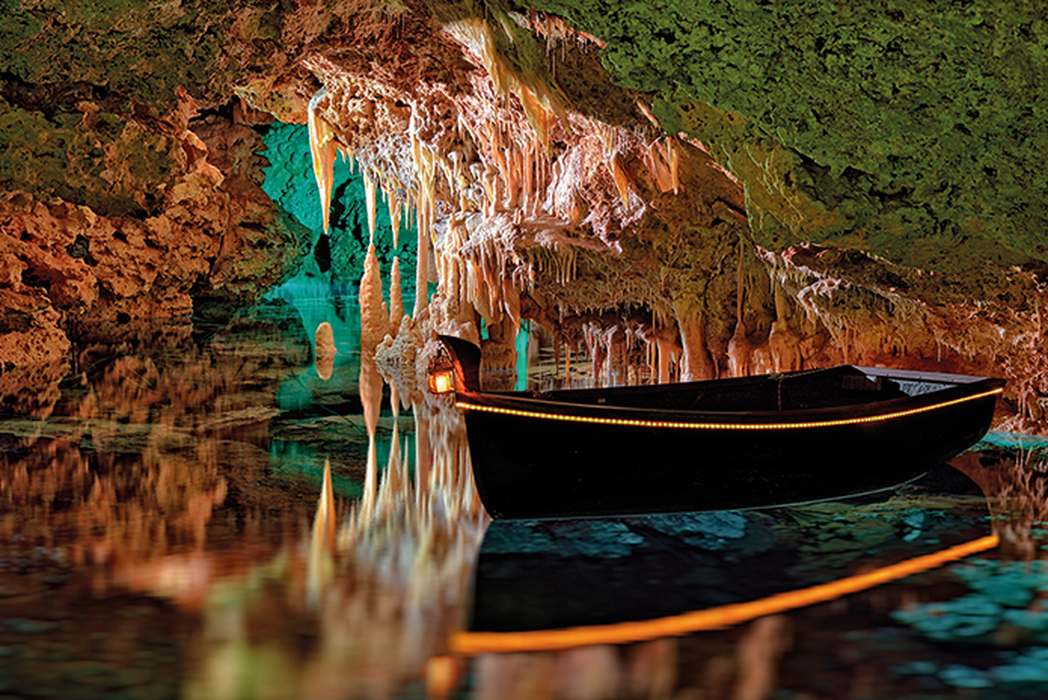
Lorenzo Caldentey, a son of the discoverer, is a certified diver and has outfitted the caves with an electric lighting system for performances and tours. Multilingual tour guides lead visitors on a roughly 500 meter walk through 12 different areas of the caves. Currently the visitors also enjoy the “Magical Mozart” concert accompanied by a light show. The musicians navigate the “Sea of Venice” in a small rowboat with candle-lit railings. The caves are a popular tourist attraction for tour groups and individual visitors during the summer months.
The Caves of Drach
The four caves, called Cueva Negra (Cova Negra), Cueva Blanca (Cova Blanca), Cueva de Luis Salvador (Cova de Lluis Salvador) and Cave of the French (Cova dels francesos), are connected to each other. The caves have been formed by the action of rainwater, and some scholars consider their formation could date back to the Miocene.
They host a large underground lake, called Lago Martel (Llac Martel), about 115 m long and 30 m wide. In this lake, considered one of the largest underground lakes in the world, live classical music concerts are offered daily. You can cross the lake by boat at the end of the concert.
The incomparable beauty of these caves is highlighted in an exceptional way by the lighting, projected and realized by the engineer Carles Buïgas.
Porto Cristo
The name Port de Manacor/Porto Cristo, meaning “The Port of Manacor/The Port of Christ” given to it back in 1260 AD at the time of the Christian invasion of Mallorca, A fishing boat was found washed up on the beach containing a crucifix. Legend has it that an ox was carrying an icon of God through the town, and the ox stopped and refused to walk anymore. Hence the people saw this as a sign and the name was derived from that belief it was a clear sign that Christ wanted to be here.
Manacor
Our tour includes an interesting stop in the city of Manacor to visit the Majorica Pearl Store, which has more than one hundred years of experience in the manufacture of globally recognized organic artificial pearls. Founded more than a century ago by a German engineer, the factory is a pioneer in the manufacture of artificial pearls in Europe. Live a ‘Majorica experience’ that has a multimedia area, a luxury boutique with unique prices and a relaxing lounge bar.


