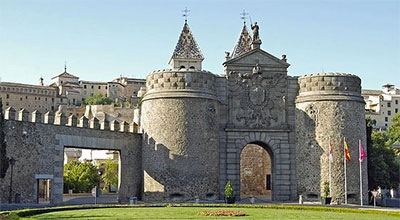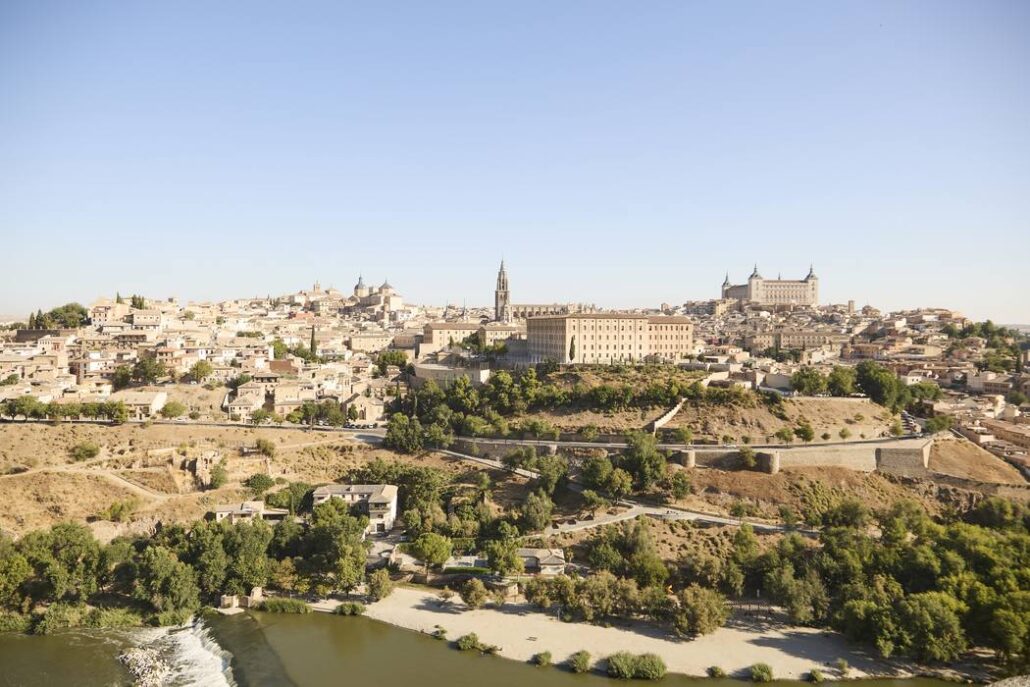


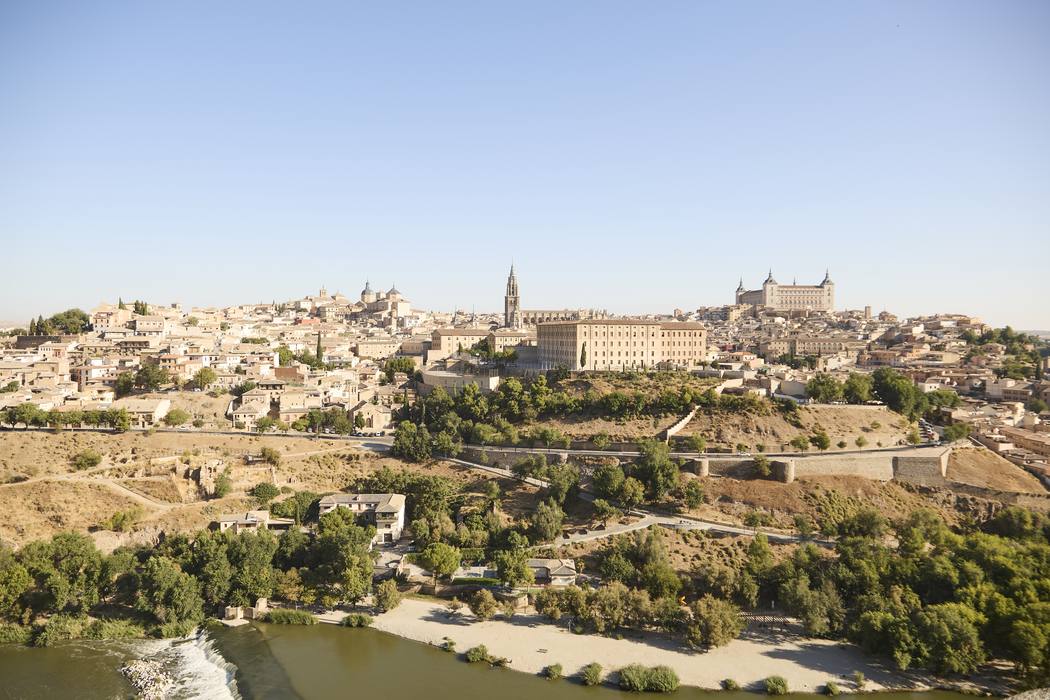


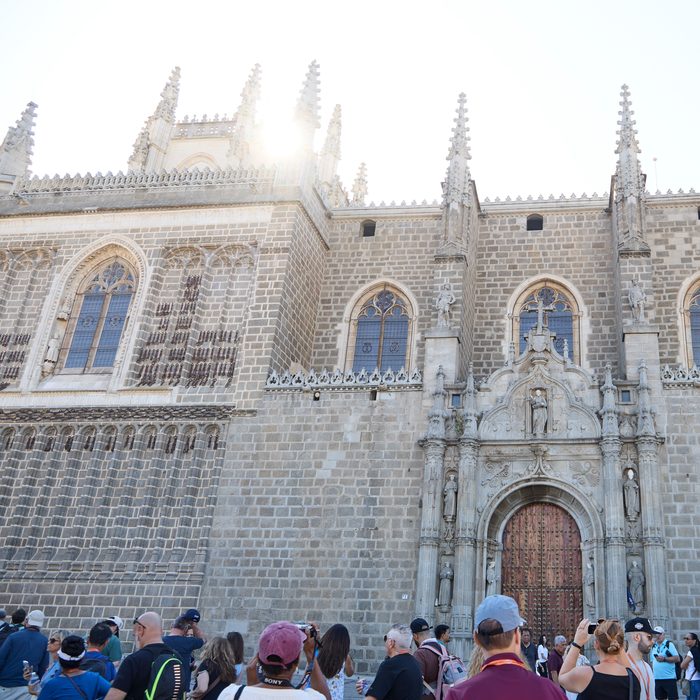
Toledo had a Roman wall that had to be rebuilt by the Visigoth king Wamba in 674. The current wall is of Arab origin, where we can find some Roman remains. King Alfonso VI ordered the completion of the wall in 1085, after the reconquest of the city. Toledo has always had a great wall, well known throughout its history, taking centre stage its entrance and exit doors, such as Puerta de Bisagra, Puerta de Alfonso VI or Puerta del Cambrón.
Plaza de Zocodover is a square in the city of Toledo. It has been the nerve centre of the city for most of its history, serving as its main square. Part of it was designed by Juan de Herrera during the reign of Felipe II.
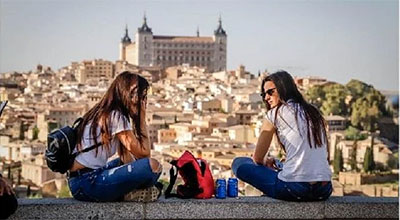
The Alcázar de Toledo is a stone fortress located in the highest part of Toledo, Spain. Once used as a Roman palace in the 3rd century, it was restored under Charles I and his son Felipe II of Spain in the 1540s.
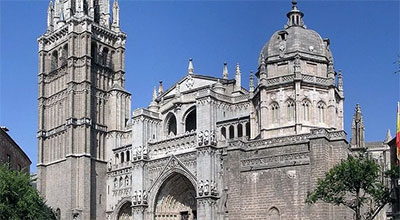
The Primatial Cathedral of St Mary of Toledo is a Roman Catholic church in Toledo, Spain. It is the seat of the Metropolitan Archdiocese of Toledo.
The Synagogue of Santa María la Blanca is a museum and former synagogue in Toledo, Spain. Built in 1180, it is arguably the oldest synagogue building still standing in Europe, according to an inscription on a beam. It is now owned and maintained by the Catholic Church.
The Iglesia de Santo Tomé is a church located in the historic centre of the city of Toledo, founded after the reconquest of the city by King Alfonso VI of Leon. It appears to have been built in the 12th century, on the site of an old mosque dating from the 11th century.
One of the great theaters of our country, and the emblematic building of the art deco architecture from the beginning of the last century, once again shines completely reformed to accommodate large musical productions. The Lope de Vega theater in Madrid (Spain) is located on the Gran Vía. It has the same name as the old theater of the Basilios inaugurated in Madrid in 1850.